


Which Countries Are Likely to Be Affected in World War 3? Predicting Geopolitical Flashpoints
- AI Predict
- World War III
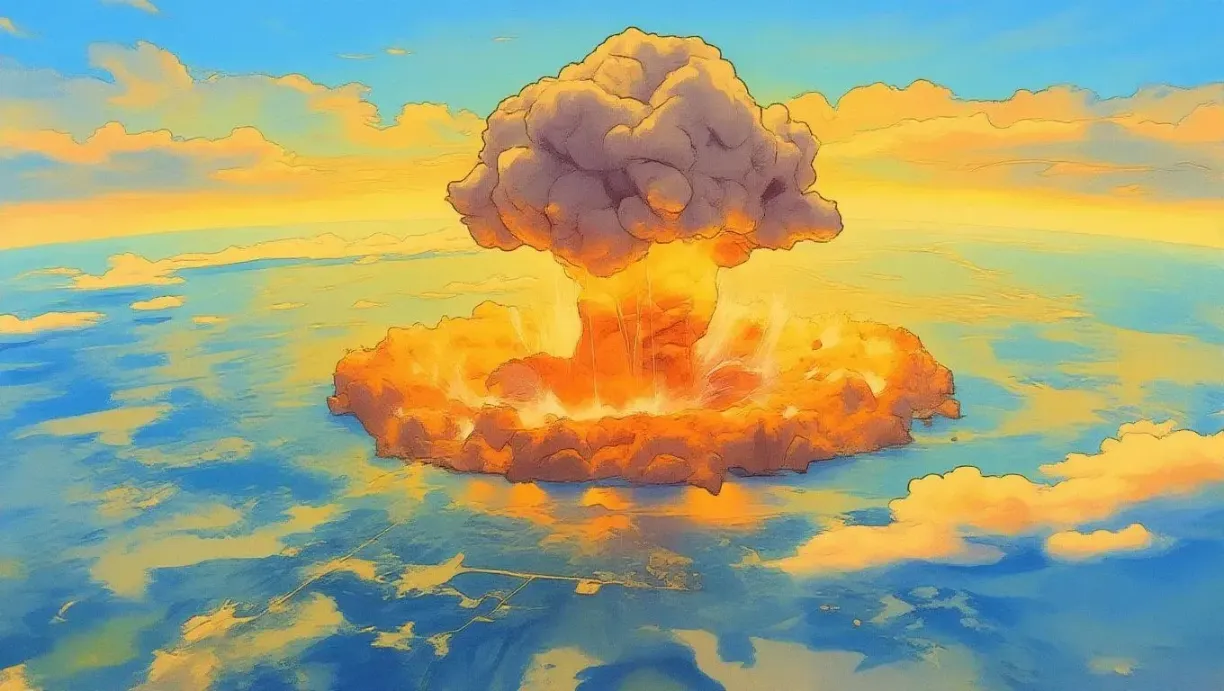
World War 3 in Ghibli Style Created by Dreamface
Fears of a global conflict, dubbed “World War 3,” stem from tensions in Ukraine, the Middle East, and Taiwan. This article predicts which countries could be affected, analyzing geopolitical flashpoints and military risks.
This analysis is generated by Grok, created by xAI, using available data and trends to provide a reasoned prediction.
Predictive Analysis
A global conflict by 2050 could involve the U.S., China, Russia, Iran, Israel, Ukraine, and Taiwan, with secondary impacts on EU nations, Pakistan, and North Korea. The 2025 Iran-Israel conflict, escalated by U.S. strikes, risks drawing in Russia and Pakistan, per Medvedev’s claims of nuclear support. Ukraine’s war, costing Russia $100 billion annually, could expand if NATO engages directly (10% chance by 2030, per RAND). China-Taiwan tensions, with $2 trillion trade at stake, could involve the U.S. and Japan if conflict erupts (20% chance by 2035, per CSIS).
Allied nations like the UK, Germany, and South Korea face economic disruption (e.g., 15% oil price spikes). X posts from 2025 highlight fears of Middle East escalation, but mutual assured destruction lowers nuclear war odds to 5-10%. AI-driven wargames predict proxy conflicts over direct war, with 60% of global GDP affected by supply chain disruptions.
Conclusion: The U.S., China, Russia, Iran, and Israel have a 50-60% chance of direct involvement in a major conflict by 2050, with broader economic impacts on Europe and Asia.
.jpg)
Seedance 2.0 Prompt Guide: The Ultimate Template for Cinematic AI Videos
Mar 03, 2026
Seedance 2.0 Prompt Guide: The Complete 2026 AI Video Creation Handbook
Feb 28, 2026
Google Nano Banana 2 Review: Pro-Grade Image Generation at Flash-Level Pricing
Feb 26, 2026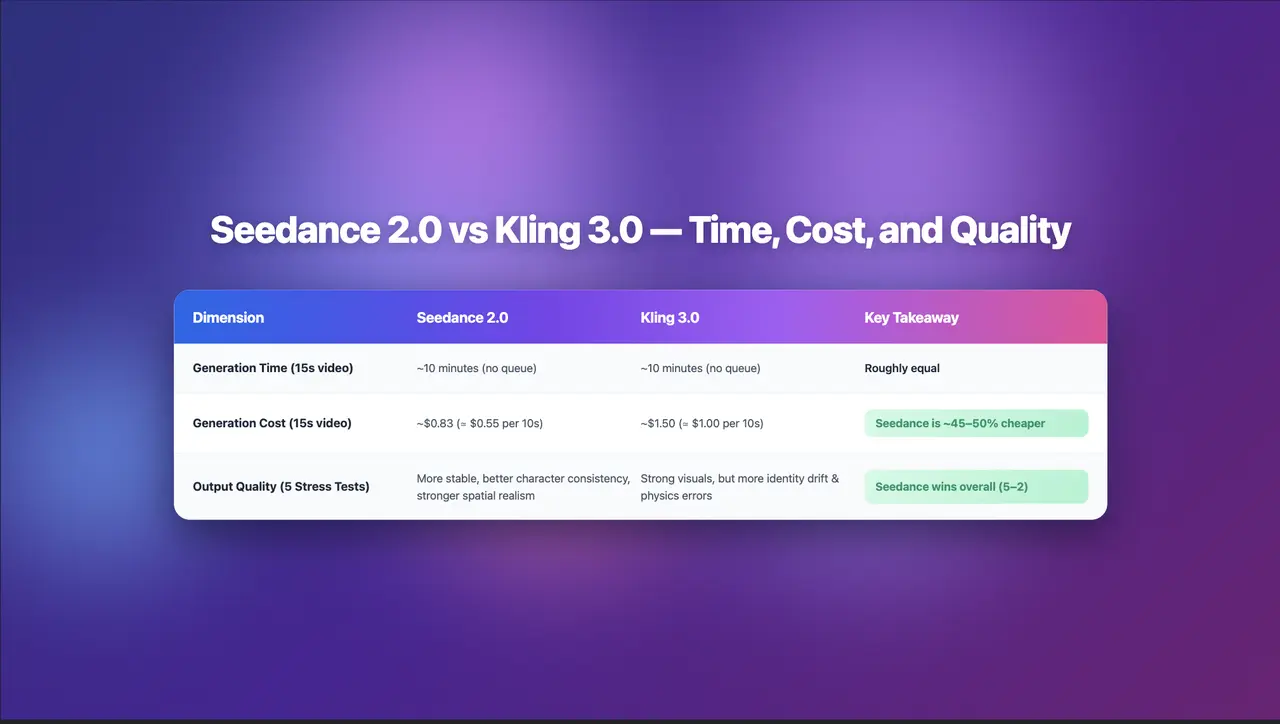
Seedance 2.0 Review: Stress-Testing Character Consistency Across 5 Extreme AI Video Scenarios
Feb 10, 2026

Who is the Most Famous Person in the World? Predicting the Future of Global Celebrity Status
Fame in 2025 is driven by social media, cultural impact, and global reach. This article predicts the most famous person, analyzing metrics like followers and media presence.
By grace 一 Jul 18, 2025- AI Predict
- Famous Person
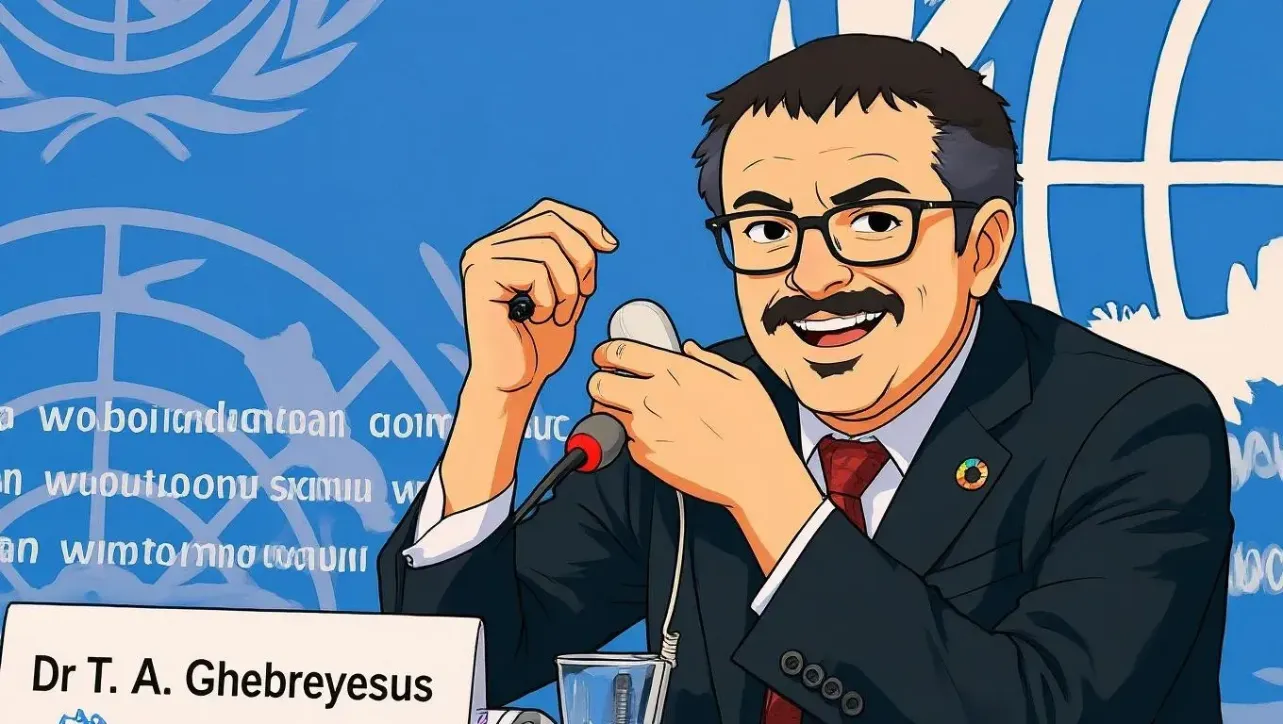
Who is the Most Powerful Doctor in the World?
Medical influence in 2025 stems from innovation, policy, and public health impact. This article identifies the most powerful doctor, analyzing their contributions and global reach.
By grace 一 Jul 18, 2025- AI Predict
- Doctor

Who Will Be the Most Influential People in the World in 2025?
Influence in 2025 spans politics, technology, and culture, shaping global trends. This article predicts the most influential figures, analyzing their impact across domains.
By grace 一 Jul 18, 2025- AI Predict
- Celebrity
- X
- Youtube
- Discord