


AI Daily: The Latest AI Trends and Updates – July 30
- AI Daily
- OpenAI
- NVIDIA
This week’s AI headlines mark a shift from mere productivity to immersive experience. OpenAI unveiled a new “Learning Mode” that brings Socratic-style reasoning into ChatGPT, transforming it into a thoughtful learning companion. Meanwhile, AI video generation enters a new phase of competition, as Google and xAI go head-to-head with cinematic-quality tools. On the infrastructure front, NVIDIA debuts a powerful new reasoning model built for agents and edge deployment, while Microsoft transforms the browser into an AI-native environment. Here's everything you need to know.
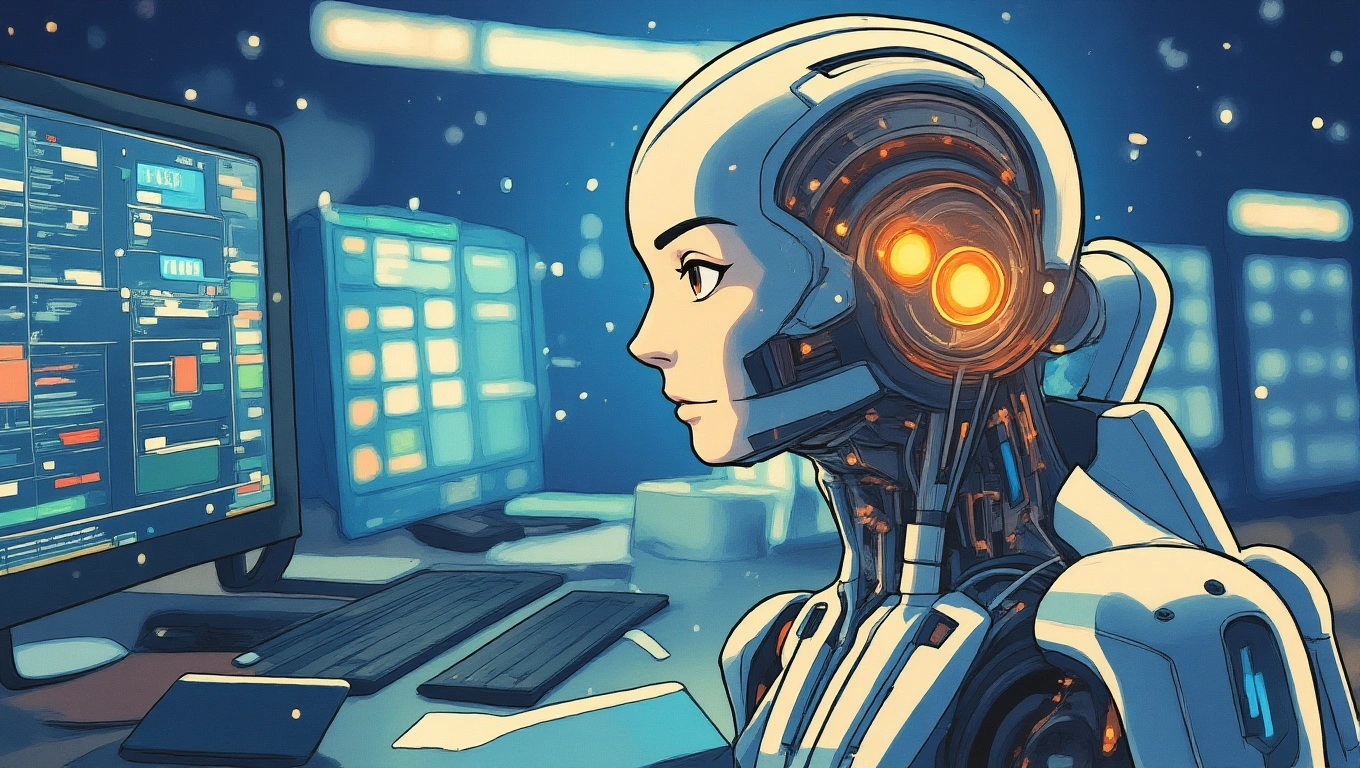
OpenAI Launches “Learning Mode” for Socratic Dialogue
OpenAI has introduced a new Learning Mode for ChatGPT, designed to guide users through exploration and understanding via Socratic questioning. Rather than simply answering queries, ChatGPT now prompts learners to reflect, reason, and explore knowledge in a more dialogic format. The feature aims to turn ChatGPT into a true “learning partner” rather than a passive information source. However, this pedagogical shift has raised ethical concerns, particularly around data influence, teaching responsibility, and AI’s role in shaping intellectual development.
Commentary: This is a bold move. Transforming ChatGPT into a tutor redefines how we engage with knowledge — but also deepens the need for ethical oversight in AI-led education.
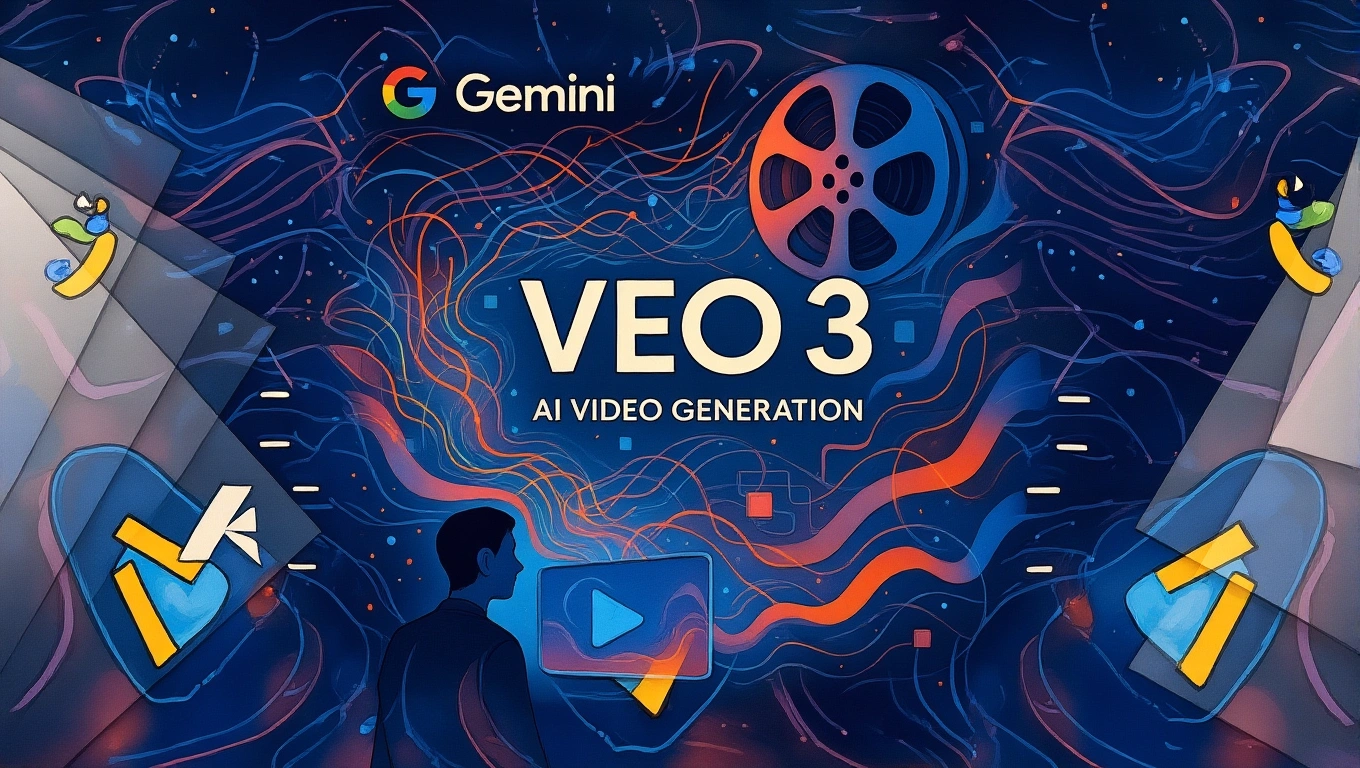
Google Unveils Veo 3: AI Video Generation with Native Audio
Google has launched Veo 3, its latest AI video generation model featuring native audio capabilities — a major breakthrough in AI creativity. Veo 3 supports high-resolution video output and can generate synchronized soundtracks from textual prompts. The model is designed to democratize film-level production by offering tools once exclusive to studios, such as cinematic transitions, dynamic lighting, and expressive sound design. It represents Google’s biggest push yet to disrupt the traditional video content industry.
Commentary: Veo 3’s native audio feature sets a new bar in the AI content race. For creators, the line between Hollywood-grade and homegrown content is disappearing fast.

Elon Musk Launches “Imagine”: xAI’s Answer to AI Video Creation
Elon Musk’s xAI is preparing to release “Imagine”, a next-generation video generator that promises near-film quality visuals with synchronized audio. Users can input prompts via text or voice, and the system generates multiple video variants for selection. Imagine will directly integrate with Grok, Musk’s conversational AI, giving it a significant edge in multimodal generation. The timing positions Imagine as a direct competitor to Google’s Veo 3 and sets the stage for a new battle in the AI video space.
Commentary: Imagine adds firepower to xAI’s ecosystem. Musk’s ambition to own the full pipeline — from prompt to polished media — is starting to crystallize.

NVIDIA Releases Llama Nemotron Super v1.5: Built for Reasoning Agents
NVIDIA has released Llama Nemotron Super v1.5, an open-source model tailored for complex reasoning and AI agents. With triple the throughput of its predecessor and support for efficient single-GPU deployment, the model is engineered for enterprise applications. It uses Neural Architecture Search (NAS) for optimization, featuring variable feedforward networks and attention skipping to reduce computational costs. Trained on 40B tokens across diverse domains, the model integrates distillation, supervised fine-tuning, and reinforcement learning — significantly boosting performance in math and code tasks.
Commentary: Nemotron Super v1.5 is NVIDIA’s signal flare to the agent economy. As tools get smarter, enterprise-ready reasoning models like this will power the next wave of AI autonomy.
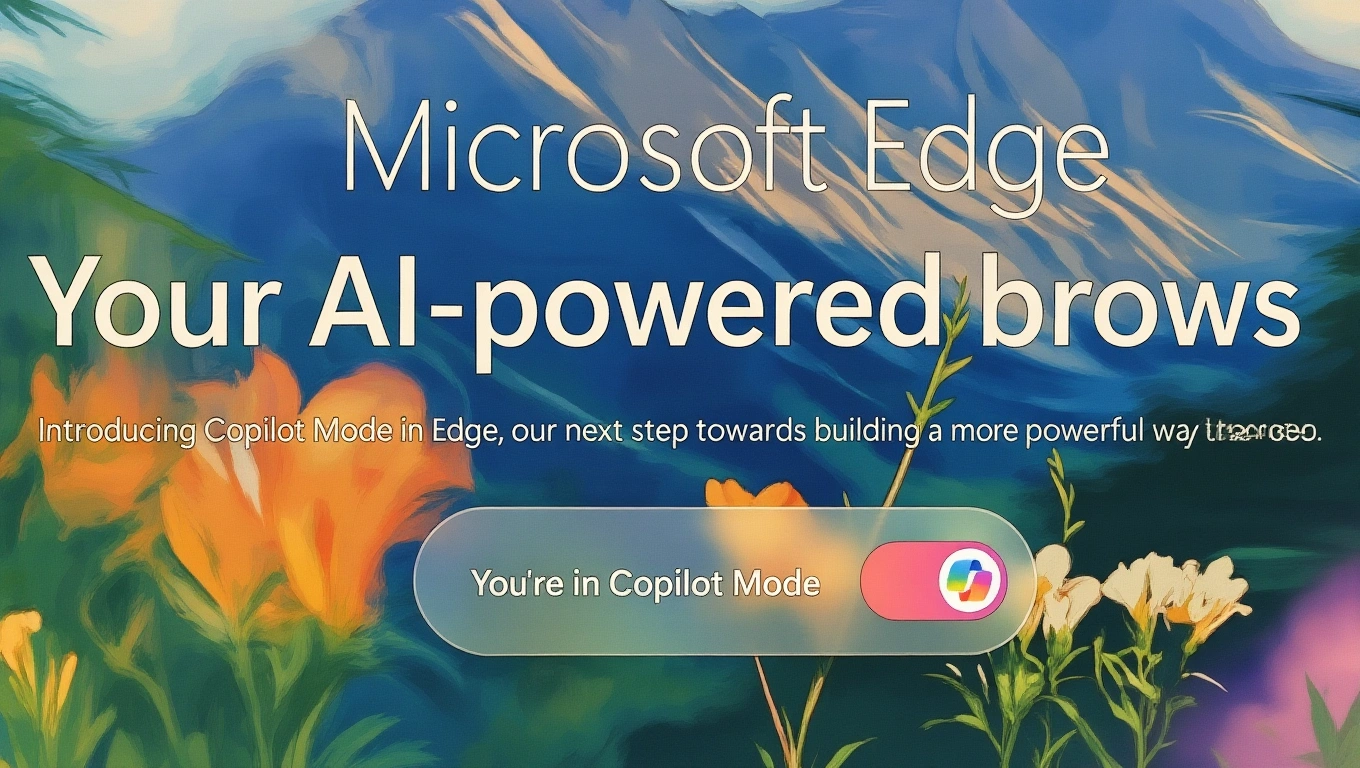
Microsoft Introduces Edge Copilot: The AI-Powered Browser
Microsoft has launched Copilot Mode within its Edge browser, aiming to reimagine the web browser as an intelligent AI assistant. This feature supports context-aware analysis across tabs, enabling users to automatically summarize research papers or cross-compare data across multiple sites. Users interact via a unified input field with voice and text options. While currently free for Windows and macOS users, Microsoft is expected to integrate it into its broader Copilot subscription suite.
Commentary: Turning the browser into an AI-first workspace is a natural next step. Edge Copilot reflects a growing trend: embedding intelligence directly into user environments.


AI Daily: The Latest AI Trends and Updates – August 1
This week, the AI world saw breakthroughs across space, intimacy, robotics, and revenue. Google DeepMind turned Earth into a real-time digital twin, while Elon Musk teased an AI boyfriend. Apple is opening its wallet for strategic AI bets, humanoid robots are doing your laundry, and Microsoft just posted record-breaking AI-fueled revenue. Here’s your rundown.
By Kingston 一 Jul 30, 2025- AI Daily
- Apple
- DeepMind
AI Daily: The Latest AI Trends and Updates – July 31
This week’s AI landscape spans across record-breaking revenues, massive infrastructure investments, and profound industry disruption. OpenAI hits stunning new milestones in revenue and user scale, while Google DeepMind’s AlphaEarth aims to redefine Earth observation.
By Kingston 一 Jul 30, 2025- AI Daily
- OpenAI
- DeepMind
AI Daily: The Latest AI Trends and Updates – July 29
This week’s AI and tech news delivers a glimpse into the next chapter of intelligent systems and digital infrastructure. With GPT-5’s launch imminent and its programming capabilities poised to surpass current limitations, the ripple effects on software development could be profound.
By Kingston 一 Jul 30, 2025- xAI
- AI Daily
- OpenAI
- X
- Youtube
- Discord