


How Close Are We to Eradicating Cancer? AI’s Role in Finding the Cure
- AI Predict
- Cancer
- Medical Science
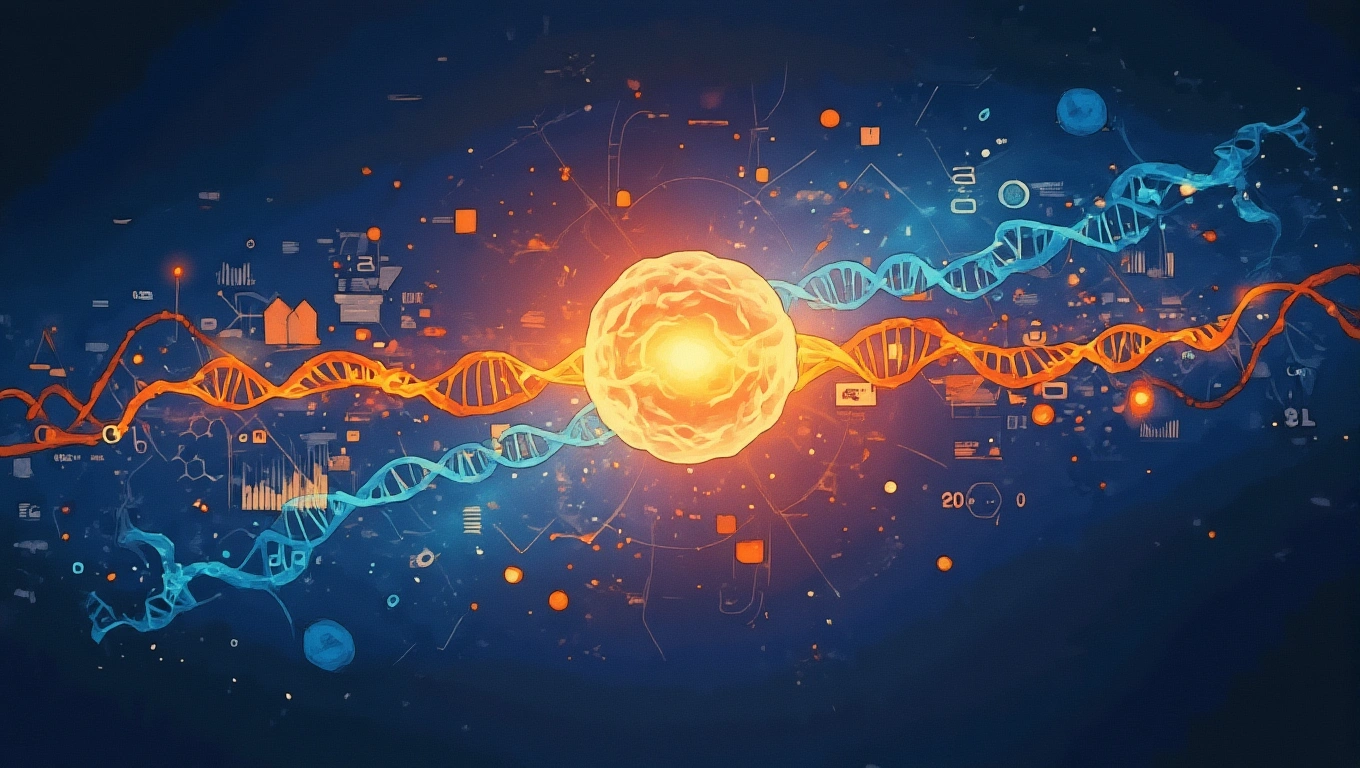
Eradicating Cancer in Ghibli Style Created by Dreamface
Cancer remains a leading cause of death, but advances in treatment and AI-driven research offer hope. This article evaluates progress toward eradicating cancer, focusing on AI’s contributions and medical breakthroughs.
This analysis is generated by Grok, created by xAI, using available data and trends to provide a reasoned prediction.
Predictive Analysis
Eradicating cancer entirely is unlikely before 2050, but significant progress is expected by 2035. In 2025, cancer causes 10 million deaths annually (WHO), but survival rates have improved 20% since 2000 due to immunotherapy and precision medicine. AI, like DeepMind’s AlphaFold, solved protein folding in 2024, accelerating drug discovery by 30%, per Nature. AI-driven diagnostics, used by IBM Watson, detect cancers with 95% accuracy, enabling earlier interventions.
Challenges include cancer’s heterogeneity (200+ types) and resistance to treatments, with 30% of patients relapsing. X posts from 2025 highlight excitement for mRNA vaccines, like Moderna’s 2024 trials, showing 50% efficacy against metastatic cancers. High costs ($100,000+ per treatment) and unequal access (only 20% of low-income countries have radiotherapy) hinder progress. AI’s role in analyzing 1 petabyte-sized genomic datasets could yield personalized therapies by 2030.
Conclusion: Cancer mortality could drop 50% by 2035 with AI-driven therapies, giving a 60-70% chance of major breakthroughs, but full eradication is unlikely before 2050 due to biological complexity.
15 Seconds from Images to Talking Avatars: How DreamFace Powers Next-Gen Creativity
Sep 10, 2025
Bringing Avatars to Life: How PixVerse V5 and DreamFace Avatar Video Transform AI Storytelling
Sep 11, 2025
How to Create a 3D Figure from a Photo with Nano Banana
Sep 08, 2025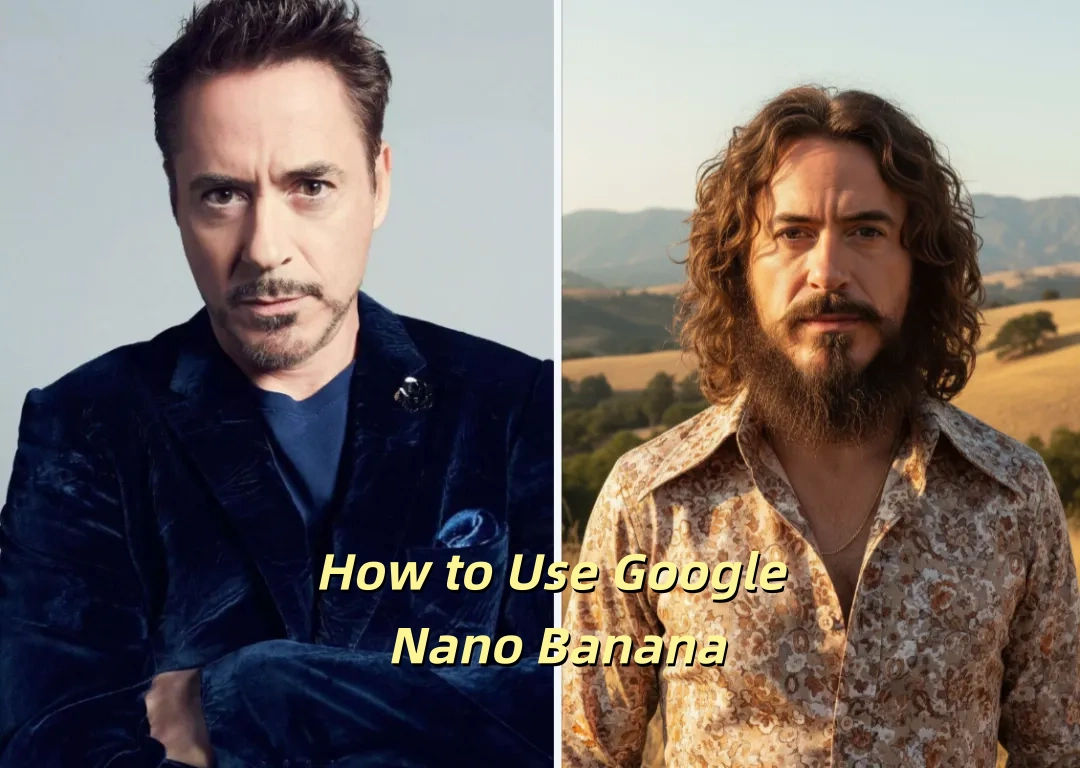
How to Use Google Nano Banana: Revolutionizing Your Photo Editing Experience
Sep 07, 2025

Who is the Most Famous Person in the World? Predicting the Future of Global Celebrity Status
Fame in 2025 is driven by social media, cultural impact, and global reach. This article predicts the most famous person, analyzing metrics like followers and media presence.
By Yamy 一 Jul 15, 2025- AI Predict
- Famous Person
Who is the Most Powerful Doctor in the World?
Medical influence in 2025 stems from innovation, policy, and public health impact. This article identifies the most powerful doctor, analyzing their contributions and global reach.
By Yamy 一 Jul 15, 2025- AI Predict
- Doctor
Who Will Be the Most Influential People in the World in 2025?
Influence in 2025 spans politics, technology, and culture, shaping global trends. This article predicts the most influential figures, analyzing their impact across domains.
By Yamy 一 Jul 15, 2025- AI Predict
- Celebrity
- X
- Youtube
- Discord