


How Long Before Humanoid Robots Become Practical for Home Use?
- AI Predict
- Humanoid Robots
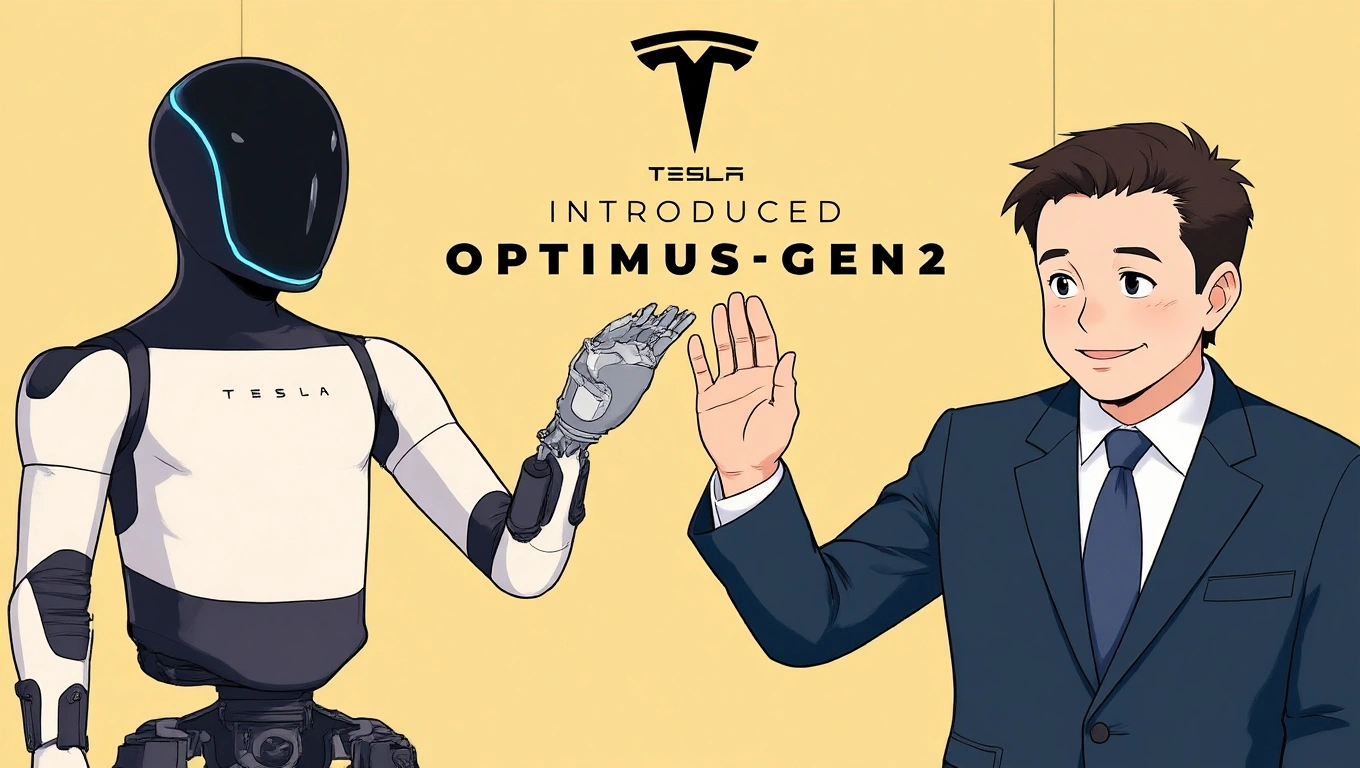
Humanoid Robots in Ghibli Style Created by Dreamface
Humanoid robots, designed for tasks like cleaning or caregiving, are advancing with companies like Tesla and Figure AI. This article predicts when they’ll become practical for home use, analyzing technology and cost barriers.
This analysis is generated by Grok, created by xAI, using available data and trends to provide a reasoned prediction.
Predictive Analysis
Humanoid robots could become practical for home use by 2035, driven by AI and hardware advancements. Tesla’s Optimus, showcased in 2024, performs basic tasks like folding laundry with 85% accuracy, powered by NVIDIA’s RTX Pro chips. Costs, however, are high at $50,000 per unit, with 2025 prototypes limited to industrial use. Scaling production to achieve $10,000 price points, per Musk’s 2024 estimate, requires 10x cost reductions via automation.
AI improvements, like xAI’s 2025 multi-modal models, enhance robot adaptability, but safety concerns remain: 2024 trials showed a 5% error rate in human-robot interactions. Regulatory approvals, like the EU’s 2025 Robotics Act, mandate fail-safes, delaying consumer rollout. X posts from 2025 express excitement for caregiving robots but note battery life (4 hours) as a limit. By 2035, 10% of U.S. households could own robots, per IDTechEx, if costs drop.
Conclusion: Humanoid robots have a 70-80% chance of being practical for home use by 2035, for tasks like cleaning, but widespread adoption may wait until 2040 due to cost and safety hurdles.

15 Seconds from Images to Talking Avatars: How DreamFace Powers Next-Gen Creativity
Sep 10, 2025
Bringing Avatars to Life: How PixVerse V5 and DreamFace Avatar Video Transform AI Storytelling
Sep 11, 2025
How to Create a 3D Figure from a Photo with Nano Banana
Sep 08, 2025
How to Use Google Nano Banana: Revolutionizing Your Photo Editing Experience
Sep 07, 2025

Who is the Most Famous Person in the World? Predicting the Future of Global Celebrity Status
Fame in 2025 is driven by social media, cultural impact, and global reach. This article predicts the most famous person, analyzing metrics like followers and media presence.
By Olivia 一 Jul 16, 2025- AI Predict
- Famous Person

Who is the Most Powerful Doctor in the World?
Medical influence in 2025 stems from innovation, policy, and public health impact. This article identifies the most powerful doctor, analyzing their contributions and global reach.
By Olivia 一 Jul 16, 2025- AI Predict
- Doctor
Who Will Be the Most Influential People in the World in 2025?
Influence in 2025 spans politics, technology, and culture, shaping global trends. This article predicts the most influential figures, analyzing their impact across domains.
By Olivia 一 Jul 16, 2025- AI Predict
- Celebrity
- X
- Youtube
- Discord