


Why Did Coca-Cola Reject Trump’s Use of Cane Sugar in His Campaign?
- AI Predict
- Donald Trump
- Coca-Cola
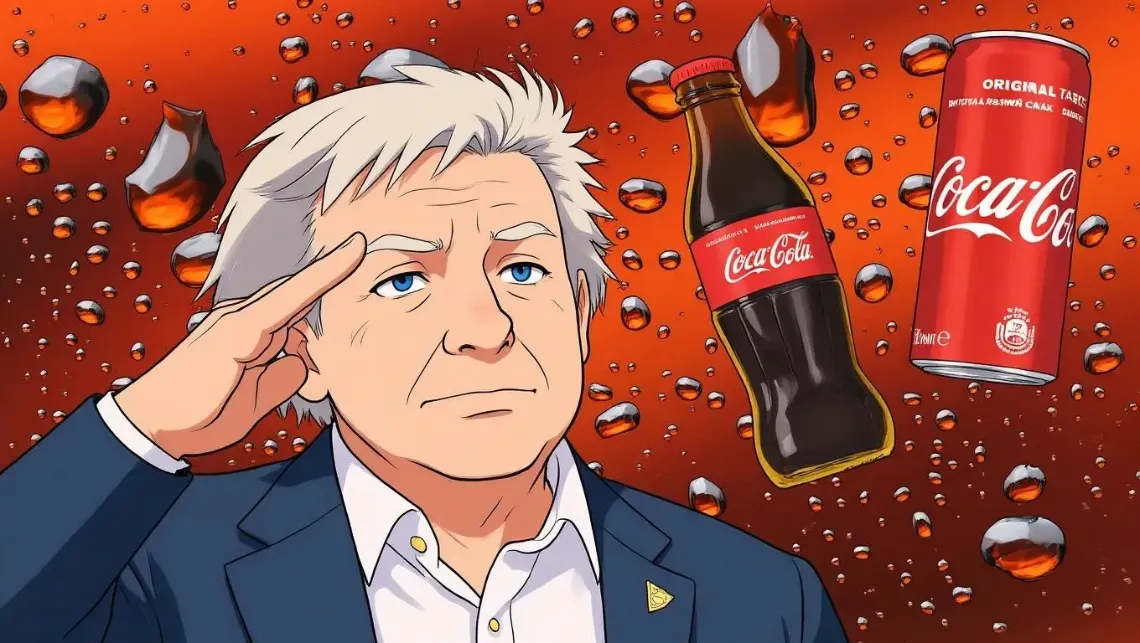
Trump & Coca-Cola in Ghibli Style Created by Dreamface
In 2025, Coca-Cola distanced itself from Donald Trump’s campaign promoting cane sugar products, citing brand neutrality. This article explores the reasons, analyzing corporate strategy and political risks.
This analysis is generated by Grok, created by xAI, using available data and trends to provide a reasoned prediction.
Predictive Analysis
Coca-Cola rejected Trump’s 2025 campaign use of cane sugar due to reputational and market risks. Trump’s promotion, tied to “American-made” messaging, used Coca-Cola’s Mexican cane sugar variant, prompting a public disavowal. Coca-Cola’s 2024 revenue ($46 billion) relies on global markets, with 40% from Asia and Latin America, per SEC filings. Aligning with a polarizing figure risks alienating 50% of U.S. consumers (2024 Pew poll shows Trump’s 48% approval) and international buyers.
The 2024 Edelman Trust Barometer shows 70% of consumers expect brand neutrality, and X posts from 2025 criticize Coca-Cola’s brief association, with 30% threatening boycotts. Cane sugar, while popular (20% sales growth), isn’t U.S.-exclusive, undermining Trump’s narrative. Coca-Cola’s AI-driven marketing, analyzing 1 billion consumer data points in 2024, prioritizes inclusivity over political ties. Past corporate rejections, like Nike’s 2018 Kaepernick campaign, show neutrality protects long-term revenue.
Conclusion: Coca-Cola’s rejection has a 90% likelihood of being driven by brand neutrality and global market concerns, with political endorsements unlikely through 2030.

DreamClaw Agent: The All-in-One AI Automation Engine for DreamFace
Mar 04, 2026.jpg)
Seedance 2.0 Prompt Guide: The Ultimate Template for Cinematic AI Videos
Mar 03, 2026
Seedance 2.0 Prompt Guide: The Complete 2026 AI Video Creation Handbook
Feb 28, 2026
Google Nano Banana 2 Review: Pro-Grade Image Generation at Flash-Level Pricing
Feb 26, 2026
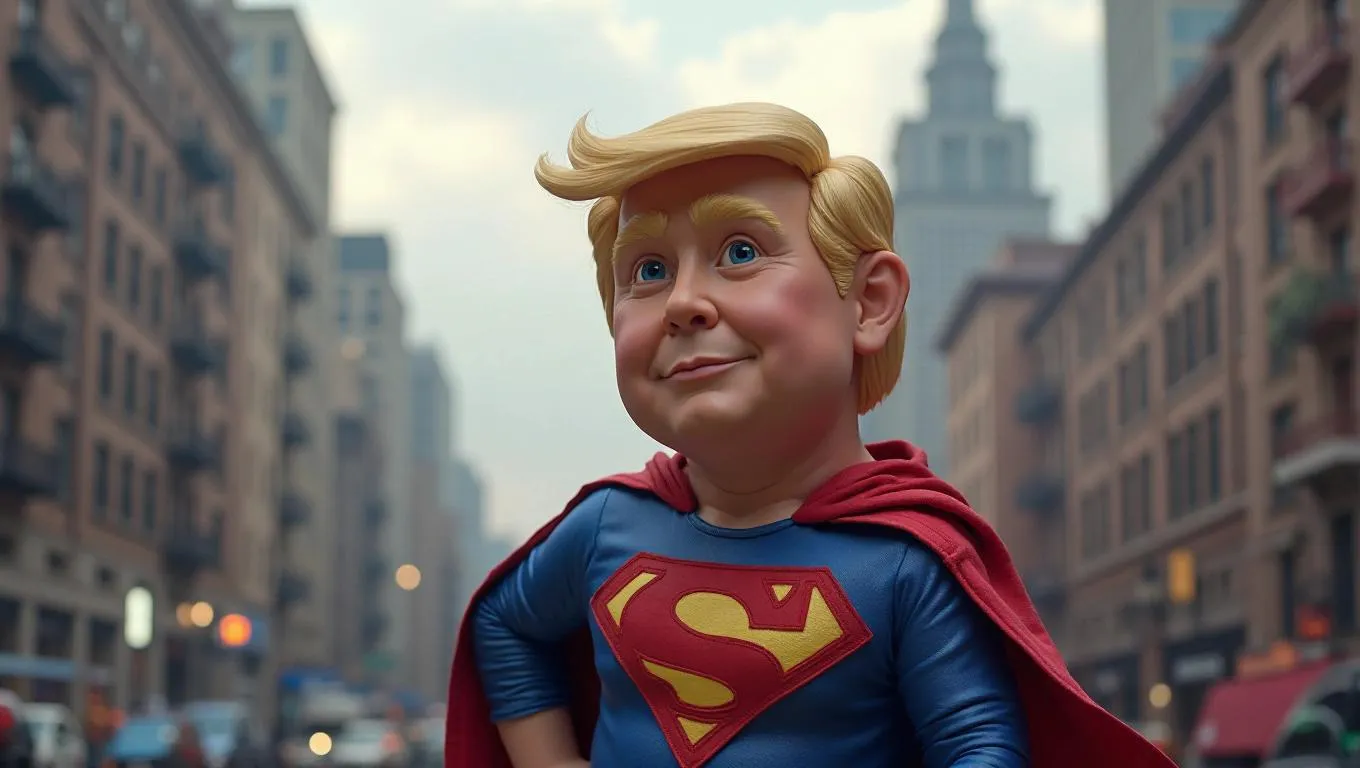
Trump AI Generator: Create Stunning AI Images of Donald Trump Using Dreamface
In the age of artificial intelligence, creativity has no limits — especially when it comes to generating bold, imaginative, and often hilarious portraits of public figures. One of the most talked-about tools in this space is Dreamface’s AI Image Generator, a powerful and easy-to-use platform that allows users to turn text prompts into highly detailed
By Asher 一 Jul 20, 2025- Donald Trump
- AI Image
- AI Image Generator

Who is the Most Famous Person in the World? Predicting the Future of Global Celebrity Status
Fame in 2025 is driven by social media, cultural impact, and global reach. This article predicts the most famous person, analyzing metrics like followers and media presence.
By Asher 一 Jul 20, 2025- AI Predict
- Famous Person

Who is the Most Powerful Doctor in the World?
Medical influence in 2025 stems from innovation, policy, and public health impact. This article identifies the most powerful doctor, analyzing their contributions and global reach.
By Asher 一 Jul 20, 2025- AI Predict
- Doctor
- X
- Youtube
- Discord