


AI Daily: The Latest AI Trends and Updates – July 25
- AI Daily
- ChatGPT
- Lovable

This week in AI has been nothing short of explosive. OpenAI's GPT-5 is on the verge of release, sending shockwaves through the tech community with claims of near-superhuman intelligence. Meanwhile, Lovable has unveiled a groundbreaking agent designed for non-coders, Trump has signed a trillion-dollar AI plan aimed at global dominance, and Google is reshaping search through Gemini-powered AI guides. In healthcare, DeepRare has launched the world’s first reasoning-based rare disease diagnostic agent. The scope, ambition, and impact of these developments make one thing clear: AI is no longer emerging—it’s exploding.
GPT-5 Preview: Altman Describes “Atomic Bomb-Level Shock”
OpenAI CEO Sam Altman recently gave the strongest hint yet about GPT-5’s capabilities, describing his first experience with the model as so overwhelming he “collapsed, dizzy,” comparing the impact to “an atomic bomb.” He confirmed that GPT-5 is vastly more intelligent than previous models—possibly even more capable than humans in most areas. OpenAI also revealed that GPT-5 will offer free, full-day access globally and plans to allocate 8 trillion tokens for shared public use. However, Altman nuanced the discussion, emphasizing that while AI might be smarter, humans care differently and function in fundamentally distinct ways.
Commentary: Altman’s remarks blend awe with caution. GPT-5 may redefine productivity and cognition, but the emphasis on human uniqueness is a timely reminder: intelligence alone doesn’t make AI human—or replaceable.
Lovable Launches “Lovable Agent”: Code-Free App Creation Reimagined
Lovable, the AI startup that reached $100M ARR in just 8 months with a 35-person team, has launched Lovable Agent—a natural language-driven development assistant that reduces error rates by 91%. The agent breaks down complex tasks, iterates like a real developer, and empowers non-coders to build full-featured applications by simply describing what they want. Lovable isn’t just coding automation—it’s a rethinking of how software is built.
Commentary: Lovable’s focus on non-programmers is a bold move that could democratize development. If it delivers as promised, the company may shape a future where “everyone is a builder,” not just engineers.
Trump Signs “AI Action Plan” to Cement U.S. Technological Supremacy
Former President Donald Trump has signed a sweeping AI Action Plan, built on three pillars: innovation, infrastructure, and international diplomacy. The plan includes over 90 executive orders and calls for looser regulations, the promotion of open-source models, rapid expansion of data center infrastructure, and revitalization of U.S. semiconductor production. It also outlines a policy to export end-to-end AI tech to allies while tightening controls on computing exports to competitors.
Commentary: This is the boldest national AI blueprint yet. By betting trillions and embracing open models, the U.S. is making AI leadership a matter of policy—and power.
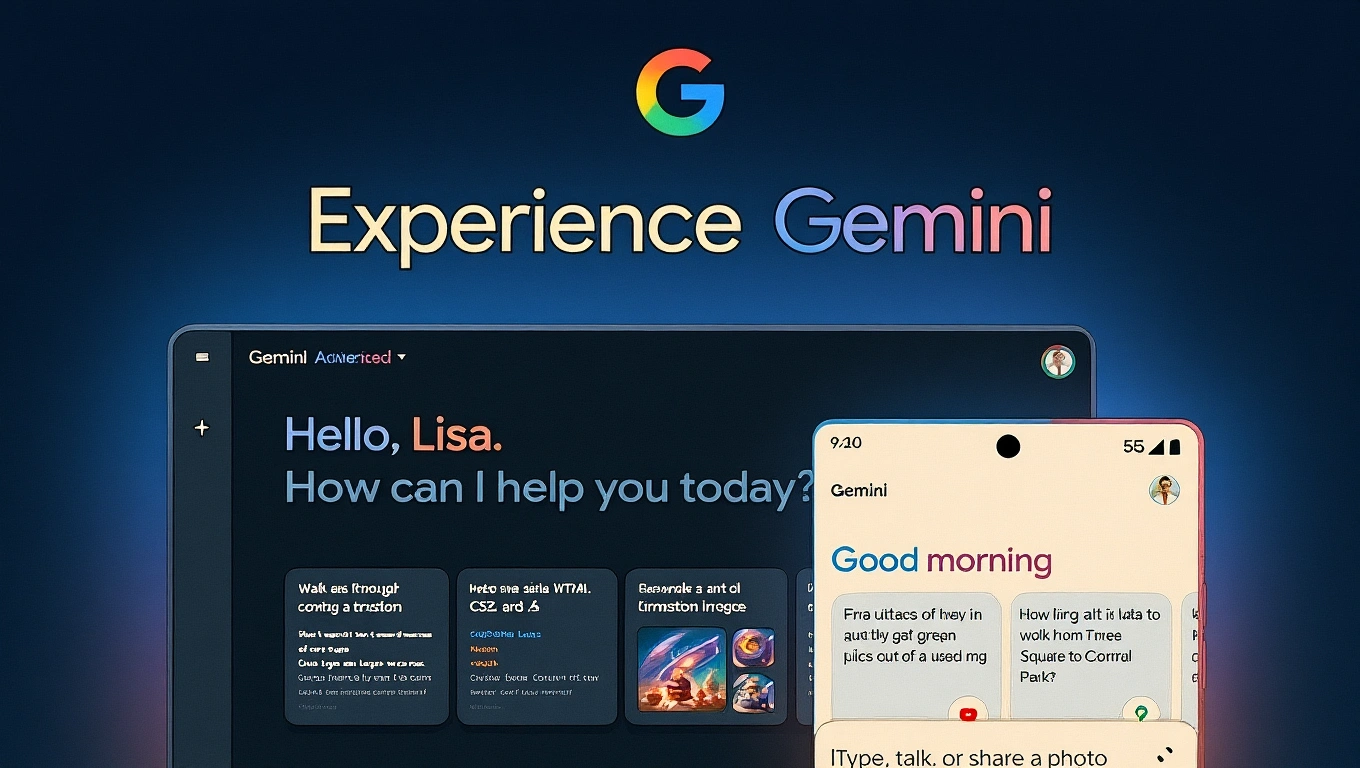
Google’s Gemini Powers New “Web Guide” AI Search Experience
Google has introduced an experimental Web Guide feature, powered by its Gemini AI, to overhaul how users interact with search results. By reclassifying and summarizing content, the system provides an organized answer-centric experience. Users can now pose direct questions and receive AI-generated explanations alongside related links. Currently available through Google Search Labs, the feature is poised to expand across all search tabs.
Commentary: Google’s reinvention of its core product shows it’s taking the AI search revolution seriously. The Web Guide may be the company’s best shot yet at staying ahead of AI-native search rivals like Perplexity.

DeepRare Launches World’s First Rare Disease Reasoning Agent
DeepRare, a pioneering medical AI system, has been released as the world’s first intelligent agent specialized in reasoning-based rare disease diagnosis. Using a multi-agent architecture to mimic physician reasoning pathways, DeepRare achieves an average Recall@1 of 57.18%, outperforming existing methods by over 23%. It supports multimodal inputs, features active questioning and self-reflection, and provides traceable evidence chains for every diagnosis.
Commentary: DeepRare’s ability to simulate diagnostic reasoning marks a true leap forward in AI healthcare. Its performance and transparency may set new standards in clinical AI, especially for hard-to-diagnose cases.
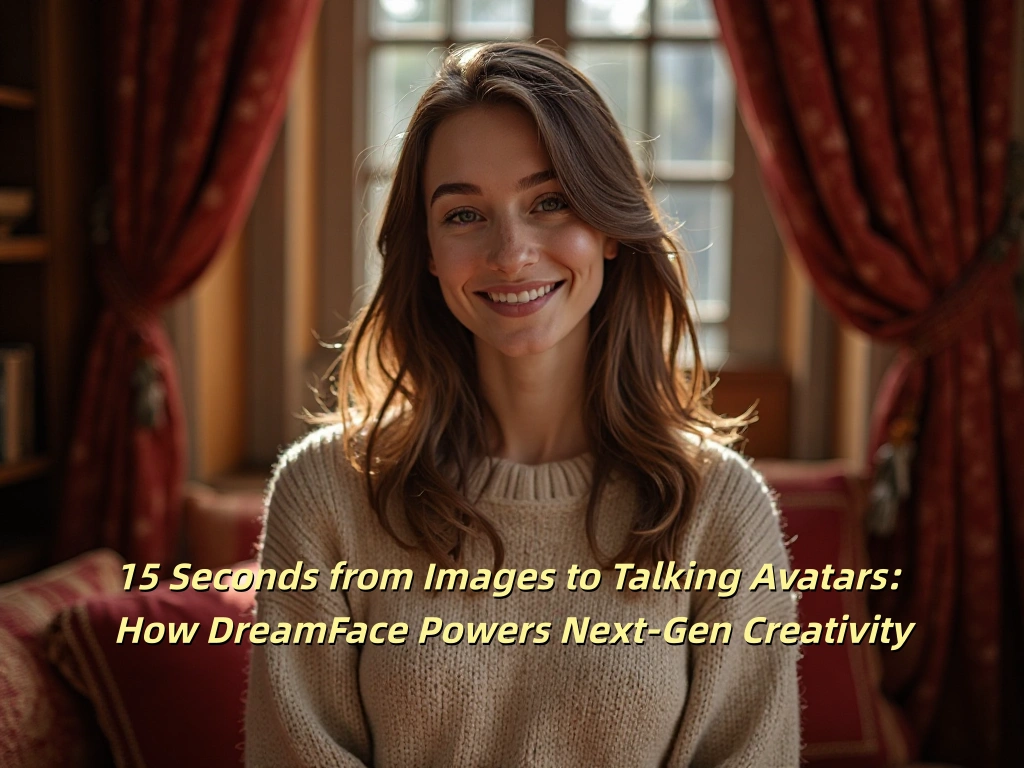
15 Seconds from Images to Talking Avatars: How DreamFace Powers Next-Gen Creativity
Sep 10, 2025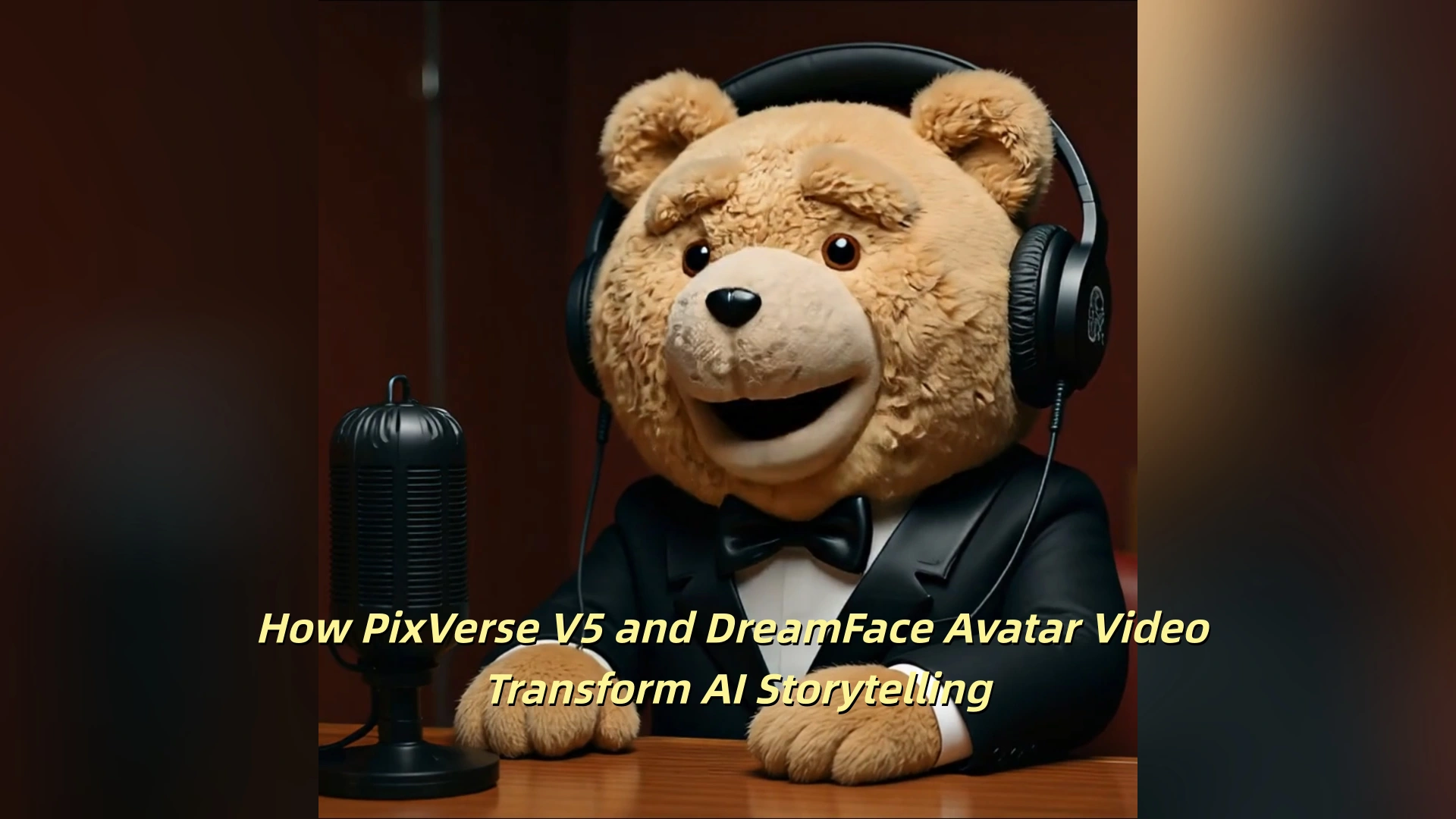
Bringing Avatars to Life: How PixVerse V5 and DreamFace Avatar Video Transform AI Storytelling
Sep 11, 2025
How to Create a 3D Figure from a Photo with Nano Banana
Sep 08, 2025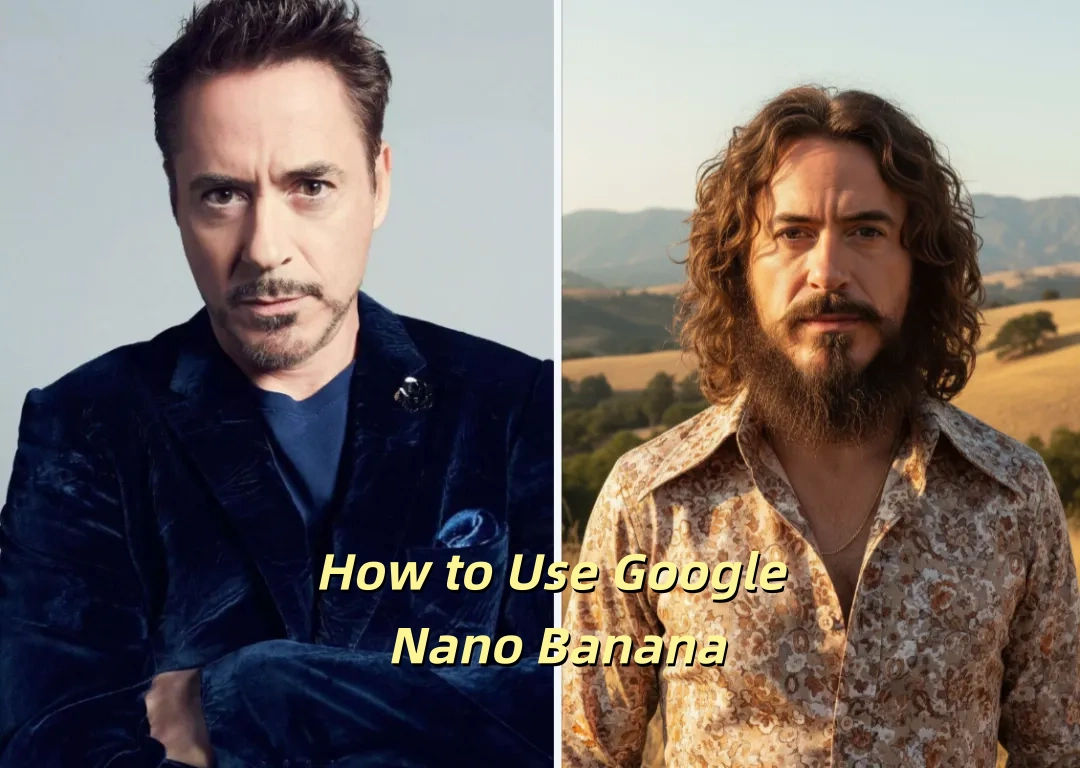
How to Use Google Nano Banana: Revolutionizing Your Photo Editing Experience
Sep 07, 2025
AI Daily: The Latest AI Trends and Updates – August 1
This week, the AI world saw breakthroughs across space, intimacy, robotics, and revenue. Google DeepMind turned Earth into a real-time digital twin, while Elon Musk teased an AI boyfriend. Apple is opening its wallet for strategic AI bets, humanoid robots are doing your laundry, and Microsoft just posted record-breaking AI-fueled revenue. Here’s your rundown.
By Joanna 一 Jul 23, 2025- AI Daily
- Apple
- DeepMind

AI Daily: The Latest AI Trends and Updates – July 31
This week’s AI landscape spans across record-breaking revenues, massive infrastructure investments, and profound industry disruption. OpenAI hits stunning new milestones in revenue and user scale, while Google DeepMind’s AlphaEarth aims to redefine Earth observation.
By Joanna 一 Jul 23, 2025- AI Daily
- OpenAI
- DeepMind
AI Daily: The Latest AI Trends and Updates – July 30
This week’s AI headlines mark a shift from mere productivity to immersive experience. OpenAI unveiled a new “Learning Mode” that brings Socratic-style reasoning into ChatGPT, transforming it into a thoughtful learning companion. Meanwhile, AI video generation enters a new phase of competition, as Google and xAI go head-to-head with cinematic-quality tools.
By Joanna 一 Jul 23, 2025- AI Daily
- OpenAI
- NVIDIA
- X
- Youtube
- Discord