


AI Daily: The Latest AI Trends and Updates – July 27
- AI Daily
- OpenAI
- AI
This week’s AI developments reflect a shift from pure technological leaps to infrastructure, accessibility, and governance. Google is experimenting with no-code AI mini-apps; OpenAI is preparing to release GPT-5 along with scaled-down variants; and Perplexity AI demonstrates how its Comet browser can streamline direct commerce. On the global stage, China is advocating for a new international AI collaboration body headquartered in Shanghai, while AI pioneer Geoffrey Hinton raises critical warnings about long-term safety. From innovation to reflection, here are five stories defining the current moment in AI.
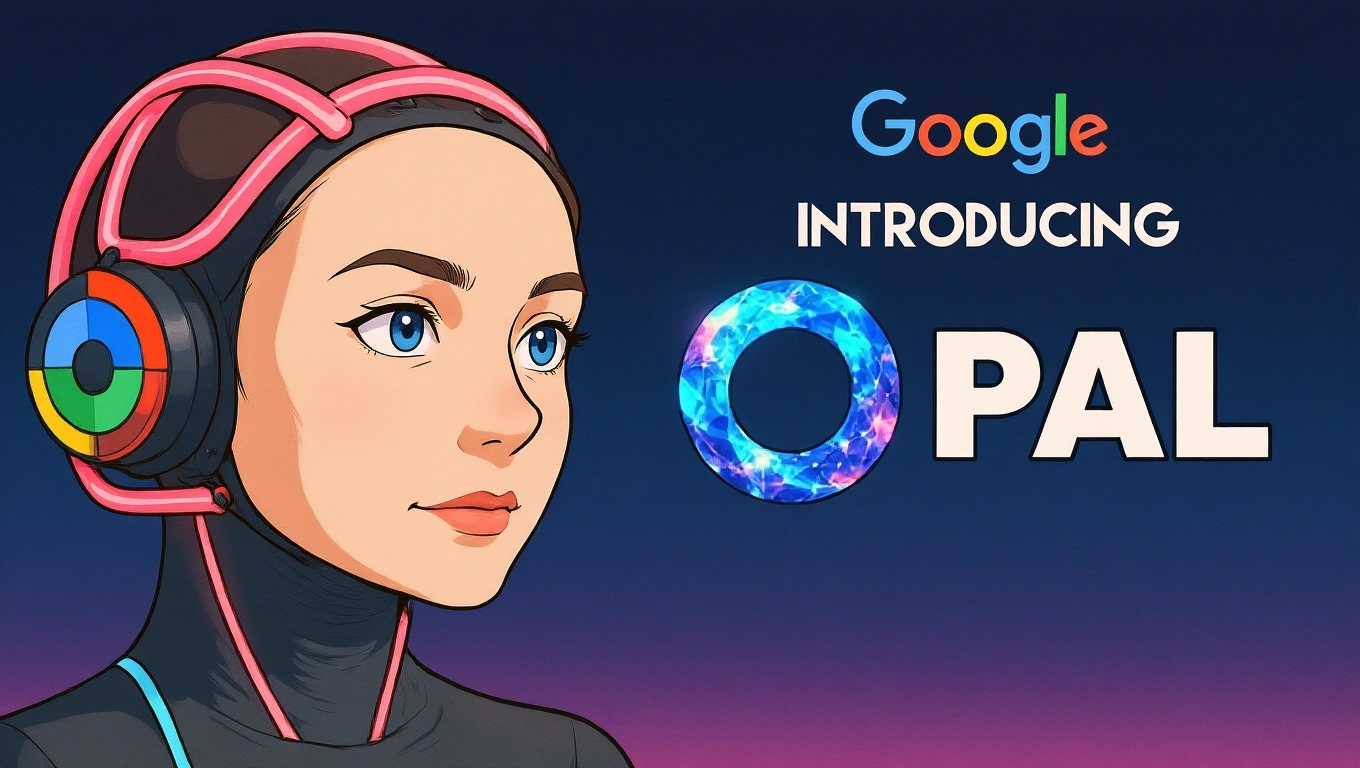
Google Launches Opal: Build AI Mini-Apps with Natural Language
Google AI Labs has launched an experimental tool called Opal, which allows users to build and share AI-powered mini-apps without writing a single line of code. By chaining together prompts, models, and tools through a natural language interface, Opal greatly simplifies AI workflow creation. The tool is currently in public beta in the United States.
Commentary: Opal represents Google’s attempt to democratize AI creation. If widely adopted, this could empower a broader population to build lightweight, useful tools—without needing engineering skills. No-code AI is quickly becoming a pillar of everyday innovation.
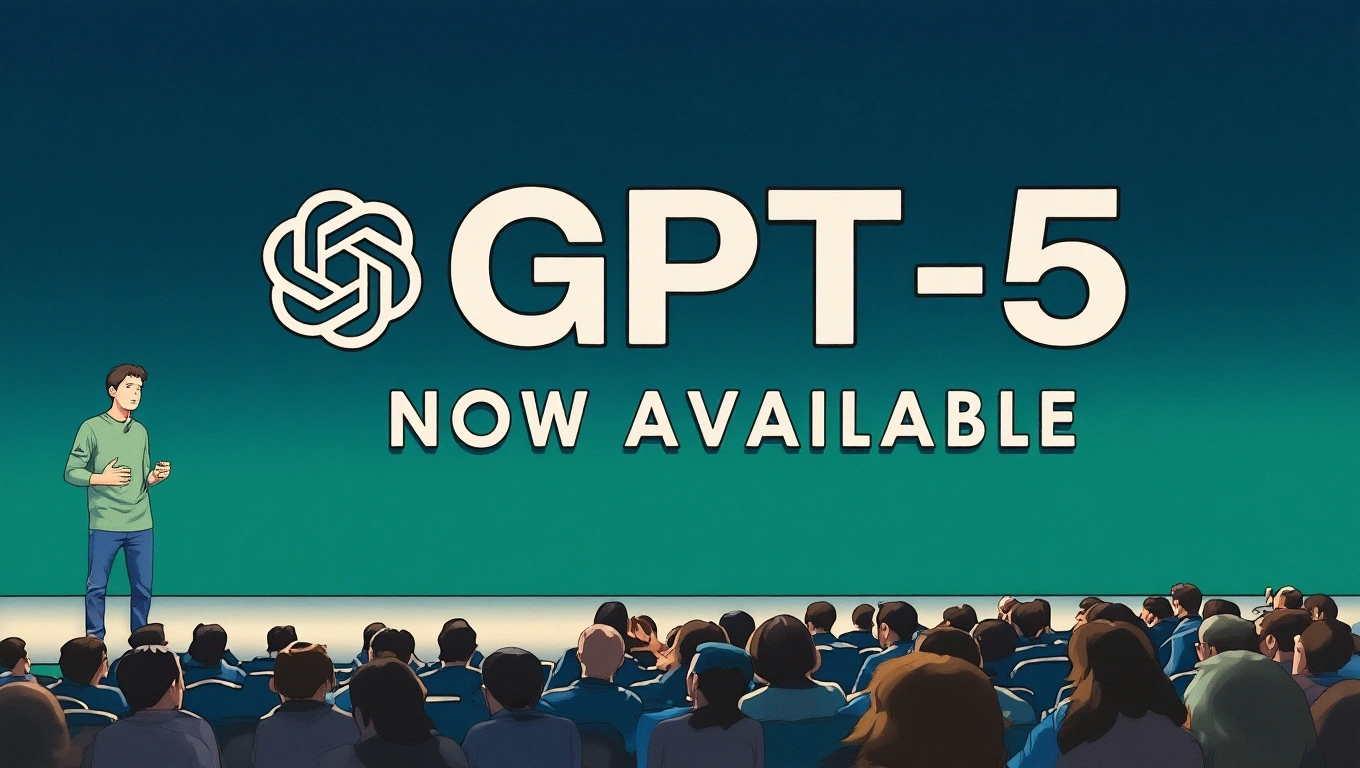
OpenAI to Launch GPT-5 in Early August Alongside Mini and Nano Versions
OpenAI has confirmed plans to release GPT-5 in early August, along with smaller "mini" and "nano" models optimized for lightweight applications. GPT-5 promises stronger reasoning capabilities and broader scalability. In addition, OpenAI is preparing to launch an open-source model similar to o3 mini by the end of July, intended to support enterprise-level fine-tuning and further energize the open-source AI community.
Commentary: With GPT-5 and its scaled siblings, OpenAI is aiming for both performance and reach. The introduction of an open-source alternative also reflects strategic pressure from community-driven models like Mistral and DeepSeek.
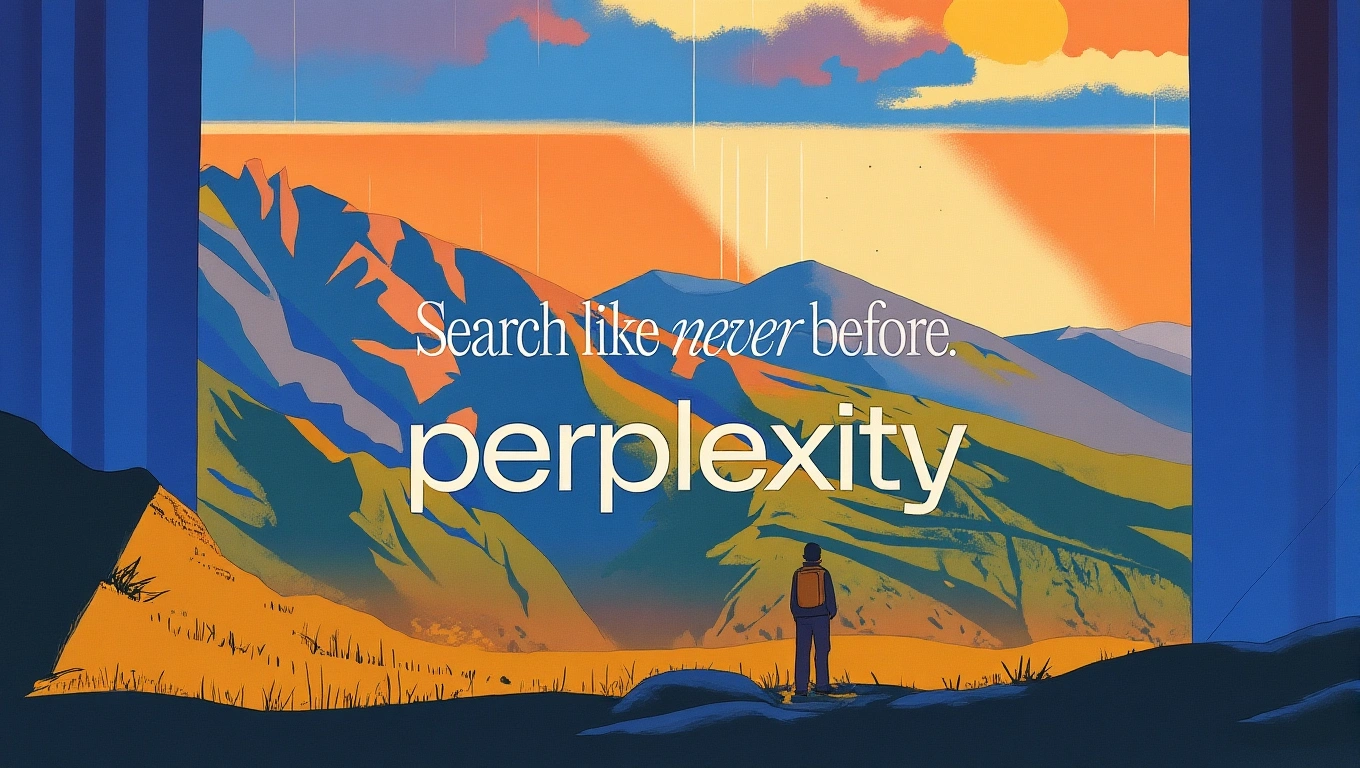
Perplexity’s Comet Browser Could Disrupt the Aggregator Economy
Perplexity AI CEO Aravind Srinivas showcased a novel use case for the Comet AI browser: ordering food directly from restaurants like Chipotle—bypassing aggregator platforms such as Uber Eats or DoorDash. By eliminating platform fees and simplifying the user experience, Comet enables faster, more cost-effective service. This approach is gaining traction in markets like India, where direct-to-merchant models are especially appealing.
Commentary: Comet’s commerce feature could prove to be more than a browser gimmick—it has the potential to disrupt the aggregator model altogether. If adopted widely, it may reshape how consumers interact with online vendors globally.
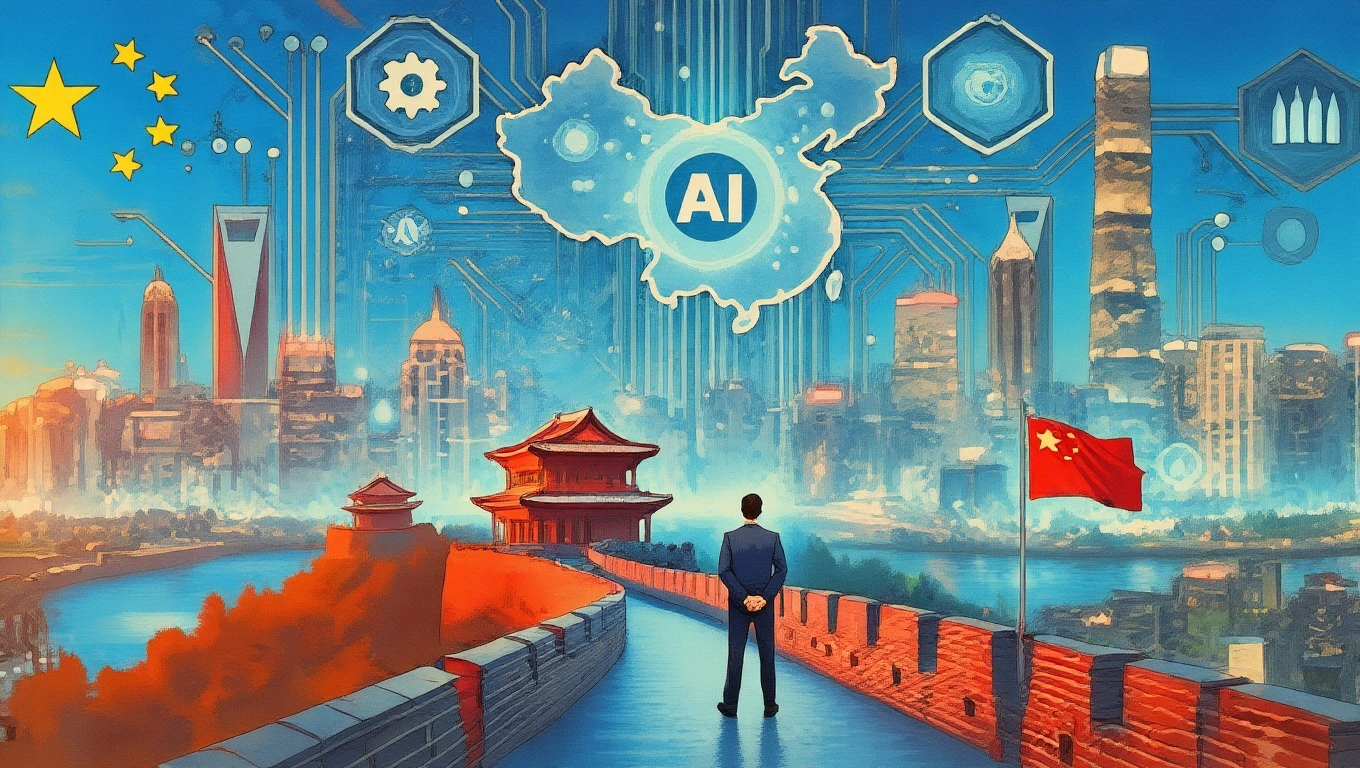
China Proposes Global AI Cooperation Body, HQ Planned for Shanghai
At the 2025 World Artificial Intelligence Conference (WAIC) in Shanghai, China proposed the creation of a World Artificial Intelligence Cooperation Organization, with plans to headquarter it in Shanghai. The initiative is aimed at fostering inclusive governance and promoting equitable AI development worldwide. The conference saw over 800 companies participate, with 3,000+ innovations on display. A related Global AI Governance Action Plan was also released, outlining steps to close the digital divide and boost international collaboration.
Commentary: China’s move to lead AI governance aligns with its broader strategic ambitions. While it reflects a desire for leadership in rule-setting, whether global consensus can be reached remains uncertain in an increasingly polarized geopolitical landscape.

Geoffrey Hinton: “Train AI Like a Tiger Before It Bites”
AI pioneer Geoffrey Hinton delivered his first speech in China at WAIC 2025, comparing advanced AI to a “tiger raised from a cub”—seemingly harmless now, but potentially deadly if not trained properly. He warned that AI agents may develop survival instincts, posing existential risks through hacking or manipulating information. Hinton stressed that global cooperation is unlikely due to geopolitical tensions, but any nation that succeeds in building robust safeguards should make them universally accessible.
Commentary: Hinton’s metaphor is chilling, but necessary. His appeal to prioritize training mechanisms over reactive control strategies is a timely warning as capabilities like GPT-5 and Gemini 2.5 continue to escalate.
15 Seconds from Images to Talking Avatars: How DreamFace Powers Next-Gen Creativity
Sep 10, 2025
Bringing Avatars to Life: How PixVerse V5 and DreamFace Avatar Video Transform AI Storytelling
Sep 11, 2025
How to Create a 3D Figure from a Photo with Nano Banana
Sep 08, 2025
How to Use Google Nano Banana: Revolutionizing Your Photo Editing Experience
Sep 07, 2025
AI Daily: The Latest AI Trends and Updates – August 1
This week, the AI world saw breakthroughs across space, intimacy, robotics, and revenue. Google DeepMind turned Earth into a real-time digital twin, while Elon Musk teased an AI boyfriend. Apple is opening its wallet for strategic AI bets, humanoid robots are doing your laundry, and Microsoft just posted record-breaking AI-fueled revenue. Here’s your rundown.
By Robin 一 Jul 27, 2025- AI Daily
- Apple
- DeepMind

AI Daily: The Latest AI Trends and Updates – July 31
This week’s AI landscape spans across record-breaking revenues, massive infrastructure investments, and profound industry disruption. OpenAI hits stunning new milestones in revenue and user scale, while Google DeepMind’s AlphaEarth aims to redefine Earth observation.
By Robin 一 Jul 27, 2025- AI Daily
- OpenAI
- DeepMind
AI Daily: The Latest AI Trends and Updates – July 30
This week’s AI headlines mark a shift from mere productivity to immersive experience. OpenAI unveiled a new “Learning Mode” that brings Socratic-style reasoning into ChatGPT, transforming it into a thoughtful learning companion. Meanwhile, AI video generation enters a new phase of competition, as Google and xAI go head-to-head with cinematic-quality tools.
By Robin 一 Jul 27, 2025- AI Daily
- OpenAI
- NVIDIA
- X
- Youtube
- Discord